Books
Read, kept, and recommended.
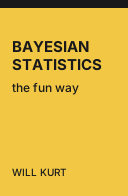
Bayesian Statistics the Fun WayWill Kurt
Priors and posteriors taught with Star Wars and Lego. Looks silly, is rigorous — the fastest way I know to start actually thinking in probabilities.
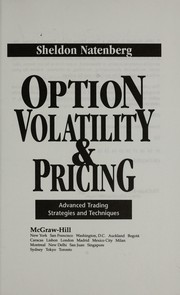
Option Volatility and PricingSheldon Natenberg
The options bible, and it earned it. Natenberg explains volatility like a person instead of a textbook — the Greeks finally behave after this one.
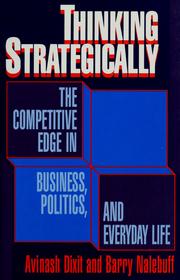
Thinking StrategicallyDixit & Nalebuff
Game theory without the equation ego. After this you see backward induction in salary talks, auctions, and family dinners.
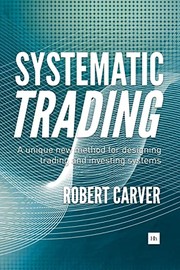
Systematic TradingRobert Carver
A former hedge-fund quant on running rule-based systems without meddling. The best book I know on when to intervene: almost never.
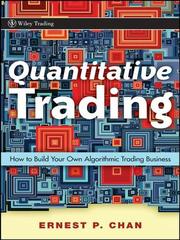
Quantitative TradingErnest P. Chan
The closest thing to a manual for the solo quant researcher — honest about backtest biases and when to kill a strategy. Generic in spots; still the right first map.
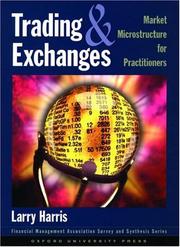
Trading and ExchangesLarry Harris
A doorstop, but you only need the auction and order-type chapters — and they're worth the whole price. Market mechanics from someone who was in the room.
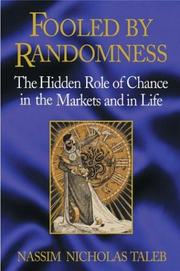
Fooled by RandomnessNassim Nicholas Taleb
Early Taleb, still the best Taleb. The philosophical vaccine against mistaking luck for skill — and against heroes who were just lucky longer.
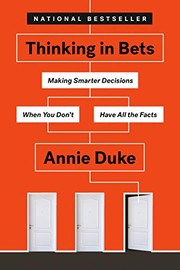
Thinking in BetsAnnie Duke
Judge decisions by their process, not their outcomes. Duke has a name for the mistake — 'resulting' — and once you have the word, you catch yourself doing it every day.
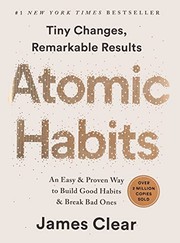
Atomic HabitsJames Clear
The rare mega-bestseller that's actually mechanical: systems over goals, environment over willpower. The 1% compounding idea alone pays for the book.
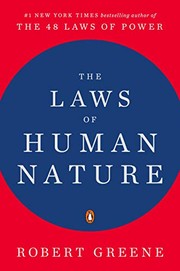
The Laws of Human NatureRobert Greene
Greene's longest and most humane book — power dynamics turned inward. Heavy, but you'll recognize everyone you work with in it. Yourself included.
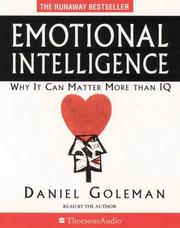
Emotional IntelligenceDaniel Goleman
The original argument that EQ beats IQ, with the science attached. Denser than its imitators — that's a feature, not a bug.
Don't Believe Everything You ThinkJoseph Nguyen
One idea, told well: your thinking about the problem is usually the problem. Short enough to reread quarterly. I do.
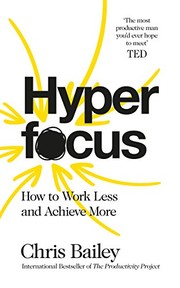
HyperfocusChris Bailey
The most practical attention book I've found — treat attention like a budget and spend it on purpose. The 'scatterfocus' chapter is criminally underrated.
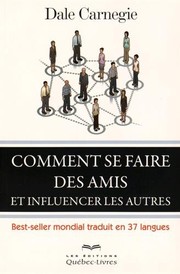
How to Win Friends & Influence PeopleDale Carnegie
Nearly a century old and still not wrong. Read it once for the ideas, then again to notice how rarely you actually apply them.
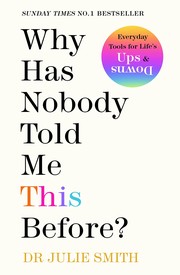
Why Has Nobody Told Me This Before?Dr Julie Smith
A clinical psychologist's toolbox without the couch. The low-mood chapters are the best pages — practical, zero fluff.
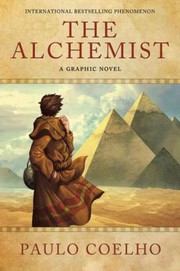
The AlchemistPaulo Coelho
The fable everyone recommends, and they're right. Read it young, then again after a failure — it's a different book the second time.
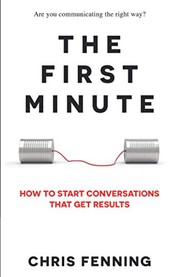
The First MinuteChris Fenning
Niche and brilliant: how to open a work conversation so people know what you need within sixty seconds. Every engineer should be issued a copy.
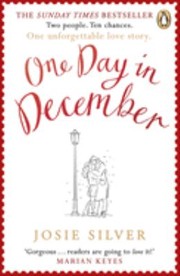
The Communication BookKrogerus & Tschäppeler
44 models, two pages each. Not a book you finish — a book you open before a hard conversation.
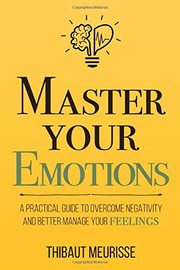
Master Your EmotionsThibaut Meurisse
Does exactly what the title promises: name the emotion, trace the trigger, choose the response. A workbook wearing a book's clothes.
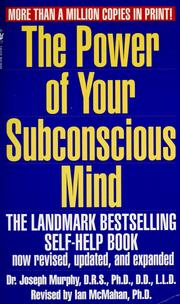
The Power of Your Subconscious MindJoseph Murphy
Old-school and mystical in places. Read it as folklore about mental programming and keep the true part: what you repeat to yourself becomes your default.
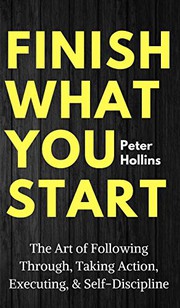
Finish What You StartPeter Hollins
For serial project-starters. Hollins is blunt about why you quit at 80% — and the fixes are small enough that you'll actually use them.
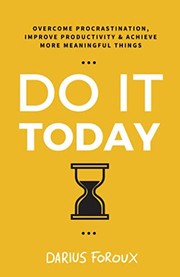
Do It TodayDarius Foroux
Anti-procrastination without the shame. Chapters short enough to read in the time you'd spend avoiding the task.
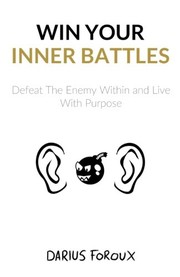
Win Your Inner BattlesDarius Foroux
Foroux writes like a friend who lifts: short, direct, zero theory. Especially good on fear disguised as 'being realistic'.
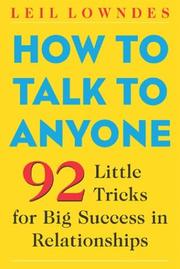
How to Talk to AnyoneLeil Lowndes
92 tricks — half of them cheesy, the other half you'll catch yourself using within a week.
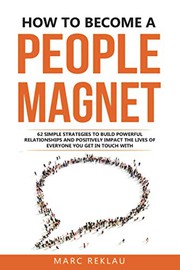
How to Become a People MagnetMarc Reklau
Light, warm, and obvious in hindsight — which is exactly why the reminders work.
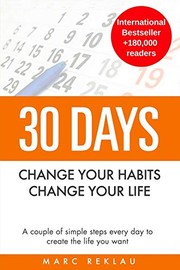
30 DaysMarc Reklau
One small assignment per day. Simplistic? Sure. But around day 14 you notice something actually shifted.
How Successful People ThinkJohn C. Maxwell
Thin, almost a pamphlet — but a solid checklist of thinking modes you'll catch yourself skipping.
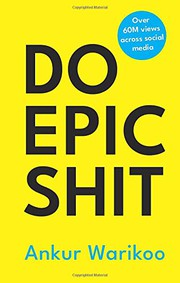
Do Epic ShitAnkur Warikoo
Tweet-length wisdom in book form. Snackable, occasionally sharp — ideal between heavier reads.
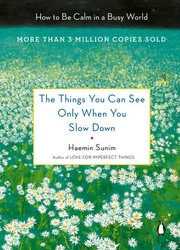
The Things You Can See Only When You Slow DownHaemin Sunim
A monk's short pages for the weeks when everything feels urgent. Works better than it has any right to.
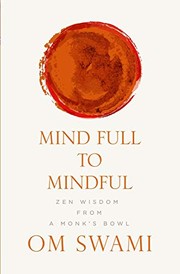
Mind Full to MindfulOm Swami
Zen from a monk with an actual sense of humor. The rare mindfulness book that doesn't feel like homework.